
Renault Zoe charging options and charging tips in Hungary
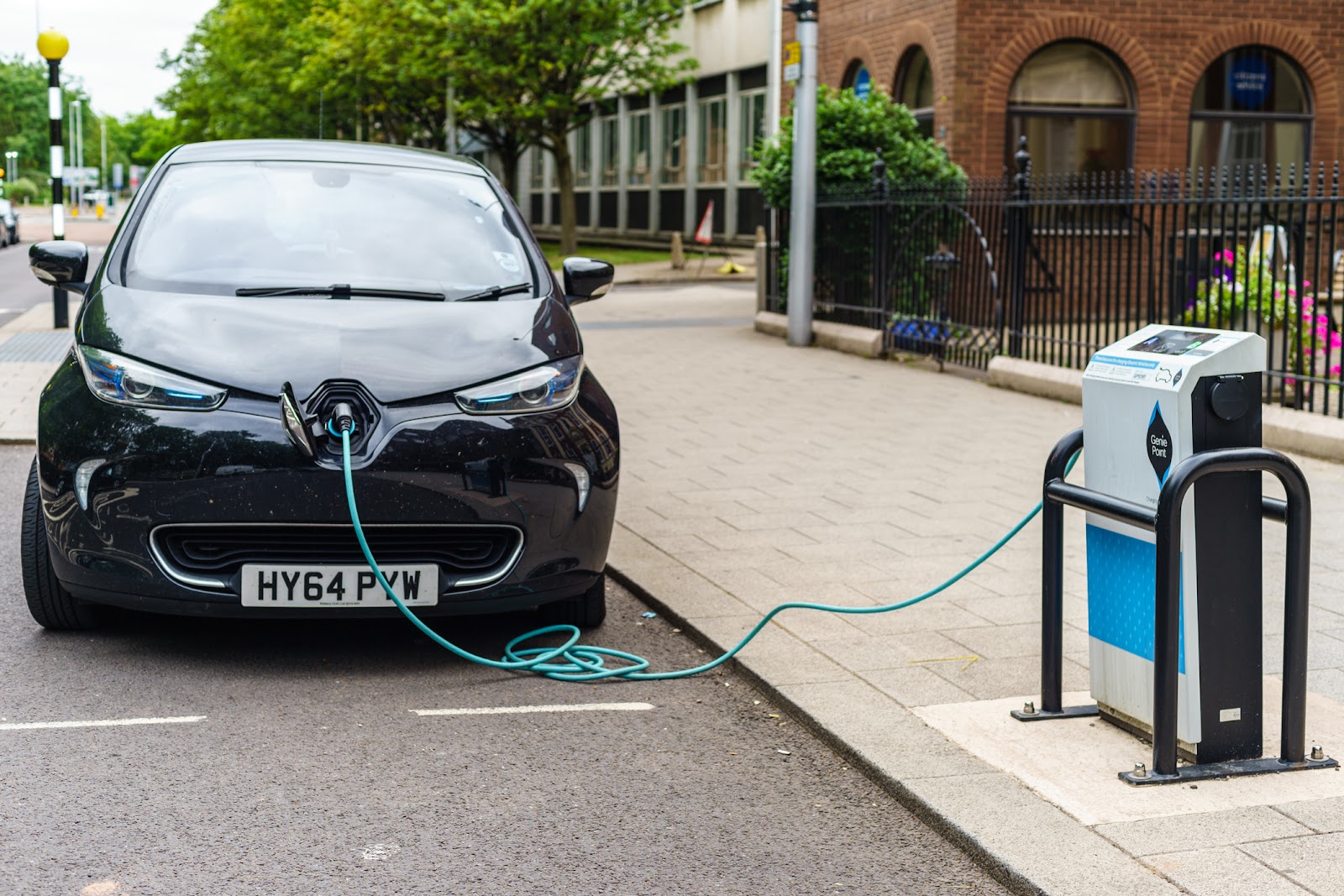
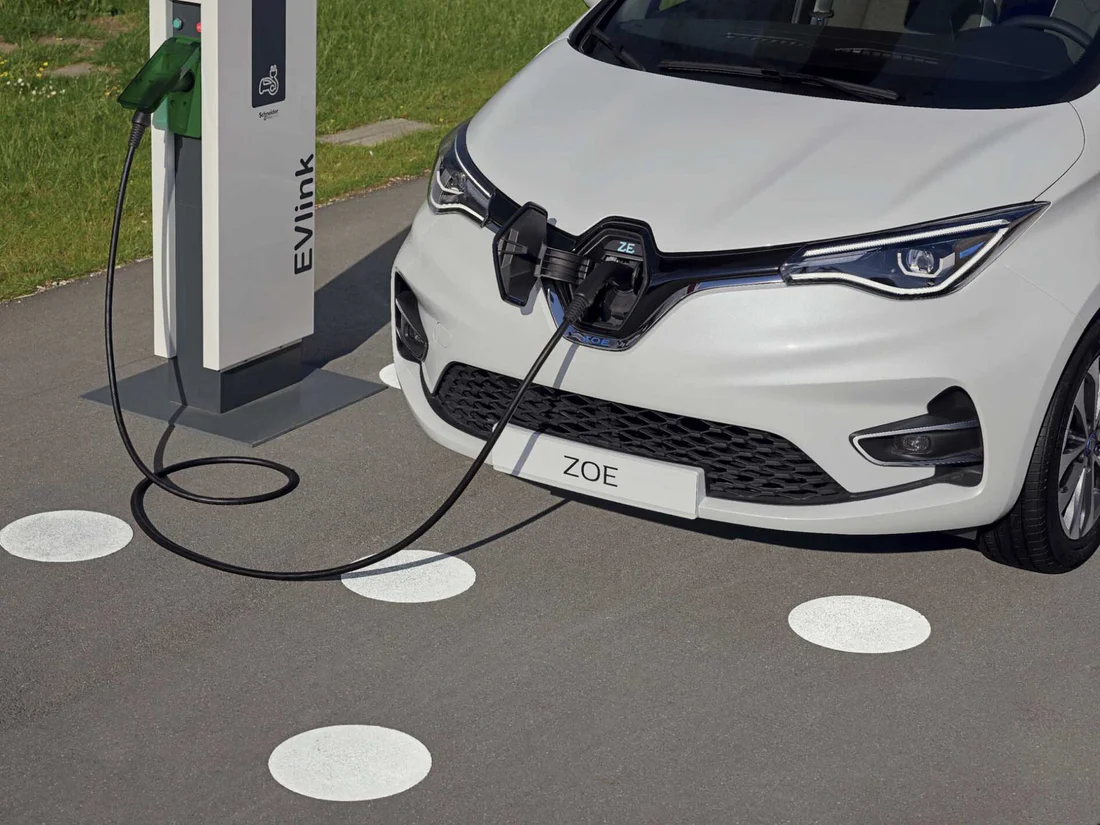
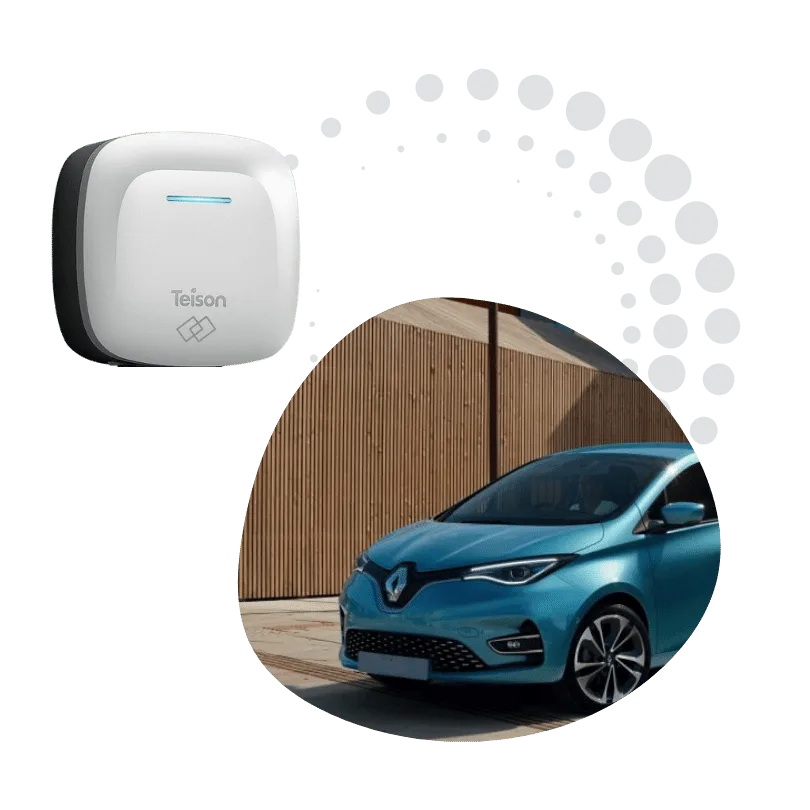
Charging methods – what to know
Renault Zoe is a practical daily EV and charging is relatively straightforward. Here are the key points:
Connectors
From the Z.E.50 generation, Zoe typically uses a Type 2 (Mennekes) connector for AC charging, and some versions also support CCS DC charging.
AC charging
With supported home/public infrastructure, Zoe can AC charge up to 22 kW (3-phase).
DC fast charging
On compatible versions, older guidance suggests that with a 50 kW DC charger, 10-80% charging may take around half an hour.
Home charging
At home, a 7 kW wallbox can typically charge a Zoe Z.E.50 from 0-100% in roughly 9.5 hours.
Costs: Charging cost depends heavily on whether you charge at home, public AC or DC fast chargers. Home charging is usually the most economical.
Practical tips
At home
If possible, install a dedicated wallbox so you can start each day fully charged. Type 2 is the recommended setup for Zoe.
Public AC charging
In city parking areas, many 11-22 kW chargers are available and work well for daily top-ups.
Longer trips
For longer routes, plan around DC fast chargers and check your car's connector and power compatibility.
Charging habits
For battery longevity, charging to 100% every time is not always necessary; 80-90% is often enough.
Verification
Always verify station compatibility (connector type and payment method), especially when travelling abroad.
Where to charge in Hungary
Hungarian charging infrastructure keeps expanding and offers multiple good options. Here are key networks and tips:
MVM Mobiliti
One of the largest networks in Hungary, with roughly 1,500 locations and both AC and DC chargers.
MOL Plugee
Also present along motorways, making it practical for longer trips; 50 kW DC chargers are available at several locations.
City chargers
Central Budapest already has several hundred charging points; public datasets may show 600+ points.
At the airport
At Budapest Ferenc Liszt International Airport parking, both 22 kW AC and 50 kW DC charging are available.
Recommendations for daily use in Hungary
Before travelling use an app or map with real-time charger data (for example Electromaps).
When parking pre-select charging locations to avoid arriving at occupied or low-power stations.
Motorway DC fast chargers are usually quicker, while AC chargers may be more convenient near your home or accommodation.
If you do not have a dedicated wallbox, charging from a standard outlet is possible but typically too slow for intensive daily use.
Important: Climate control, cold weather and high speed can reduce range. Keep a practical reserve when planning.
Overview of EV charging networks in Hungary
| # | Network / Company | Website | Approx. price (HUF/kWh) | Notes |
|---|---|---|---|---|
| 1. | MVM Mobiliti Kft. | mobiliti.hu toltopont.eu | AC: ~100 HUF/kWh | DC: ~199-249 HUF/kWh | Hungary's largest network with 1,500+ charging points nationwide, mixing AC and DC. Usable via mobile app and RFID card. |
| 2. | MOL Plugee | molplugee.hu | ~279 HUF/kWh (ultra-fast) | Mainly along motorways and MOL fuel stations. 50-300 kW DC chargers, practical for longer trips. |
| 3. | E.ON Drive / E.ON MyEnergy | eon.hu/emobilitas | ~99-299 HUF/kWh | Hundreds of AC and DC chargers across Hungary. Current prices are shown in the app. Some sites offer up to 300 kW. |
| 4. | Parkl Net Zrt. | parkl.net/e-mobility | ~229 HUF/kWh (average) | Combined digital parking and charging system, accessible via app in multiple urban locations (Budapest, Gyor, Pecs). |
| 5. | TEA. (Charging Point Network) | teapont.hu | - | Smaller but rapidly growing network, mostly in Western Hungary and around office/shopping areas. |
| 6. | Shell Recharge / OMV | shell.hu | ~249-299 HUF/kWh | Fast charging at Shell and OMV stations with CCS and CHAdeMO connectors. Prices may vary in-app. |
| 7. | GreenGo / SHARE NOW | greengo.hu | - (within service ecosystem) | Primarily used for car-sharing fleet charging, though some points may be publicly accessible. |
| 8. | e-Charge | echarge.hu | ~99-249 HUF/kWh | Available in several cities; partnered with E.ON, with both AC and DC options. |
| 9. | Tesla Supercharger network | tesla.com/findus | ~180-250 HUF/kWh (variable) | No longer limited to Tesla owners only. Stations are available around Budapest, Gyor, Debrecen and Sormas. |
| 10. | Ionity | ionity.eu | ~280-310 HUF/kWh | High-power 350 kW DC chargers along motorways, primarily designed for premium EV travel. |
| 11. | Alte-Go (Alteo csoport) | alteo.hu | ~199 HUF/kWh (average) | Hungarian energy provider with own charging points, mainly in urban/community locations. |
| 12. | PlugShare | plugshare.com | - | Aggregates public charging points in Hungary with user reviews and often current pricing context. |
| 13. | ChargeMap | chargemap.com | - | Useful for both international and local users, showing network availability by location. |
General price ranges (early 2025 reference)
| Charging type | Typical price (HUF/kWh) | Notes |
|---|---|---|
| Home AC (7-11 kW) | ~40–60 Ft/kWh | Based on household electricity tariff. |
| Public AC (11-22 kW) | ~100–230 Ft/kWh | Urban and parking chargers. |
| DC fast charging (50-150 kW) | ~200–280 Ft/kWh | Typically near motorways. |
| Ultra-fast DC (150-350 kW) | ~280–320 Ft/kWh | Ionity, MOL Plugee, Tesla. |